AI Worms Are Here: Miasma and IronWorm Target Your Dev Tools
Marcus Webb
Principal Security Engineer · June 16, 2026
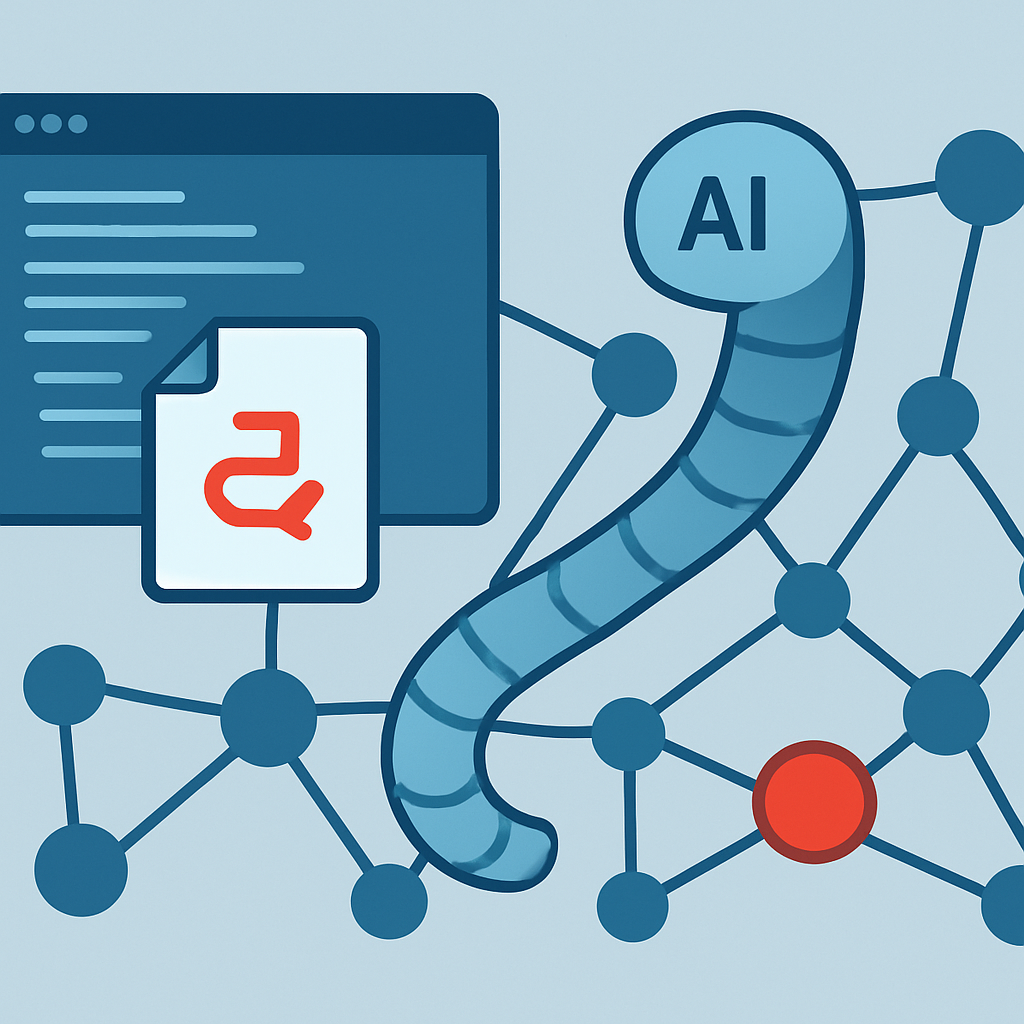
Researchers this week detailed Miasma and IronWorm, two campaigns of self-replicating AI worms that target AI coding tools directly. Instead of attacking a server, they embed backdoors into configuration files, harvesting API keys and credentials as developers build. For mobile teams, the threat is personal: the worm can ride your toolchain straight into your build artifacts.
Why AI worms break the old supply-chain model
Traditional supply-chain attacks rely on a poisoned dependency you eventually pull. AI worms are adaptive: they identify target-specific weaknesses and replicate without human direction, jumping between coding assistants, config files, and credential stores.
Because they live in your developer environment, anything they touch, including the secrets baked into a mobile build, is at risk before the app ever ships.
What lands in your mobile build
When a worm compromises the toolchain, the damage shows up in the artifact. These are the recurring traces we scan for.
- API keys and tokens harvested from config files and re-embedded in the binary
- Backdoor endpoints injected into build scripts and bundled resources
- Tampered dependencies that survive into the shipped package
- Credentials written to insecure on-device storage during build automation
How RASMISER catches a compromised build
RASMISER decompiles every release and flags hardcoded secrets, unexpected network endpoints, and tampered components, each mapped to OWASP MASVS. A worm that slips a backdoor into your config shows up as a concrete finding in the report, not a silent passenger.
Wired into CI, the scan runs on every build, so a compromised artifact fails the pipeline instead of reaching the store.
The takeaway
AI worms turn your own developer tools into an attack vector. Scanning the final build artifact, not just your source, is how you catch a backdoor the worm left behind.
Scan your app free